

Camion remolcador En Venta
Todo
Subasta
Comprar ahora
Tipos: Camion remolcador
32 resultados
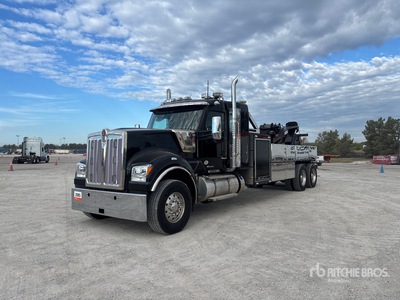 .
Lake Worth, TX
93,229 mi
Cierre próximo: jue 19 de nov
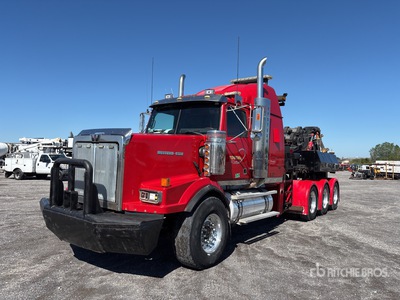 .
Lake Worth, TX
549,786 mi
Cierre próximo: jue 19 de nov
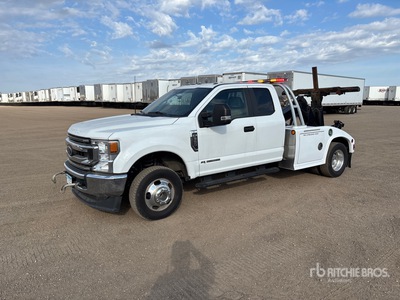 .
Medford, MN
65,132 mi
Cierre próximo: jue 12 de nov
 .
Fort Myers, FL
276,850 mi
$310,000USDo haz una oferta
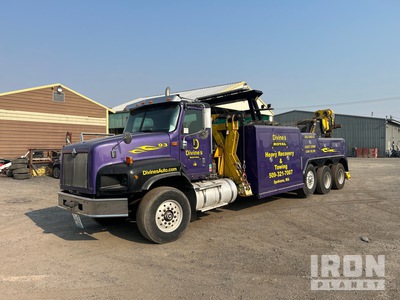 .
Spokane, WA
787,972 mi
$300,000USDo haz una oferta
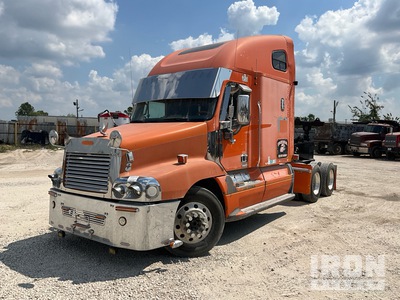 .
Katy, TX
1,869,775 mi
$65,000USDo haz una oferta
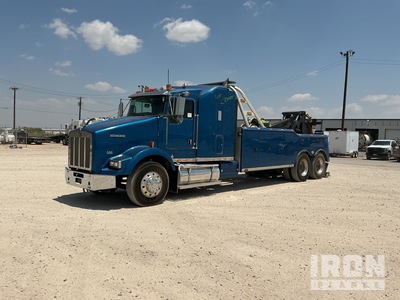 .
Odessa, TX
679,939 hora
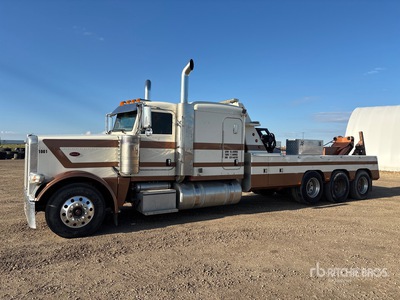
Cierre próximo: mié 4 de nov
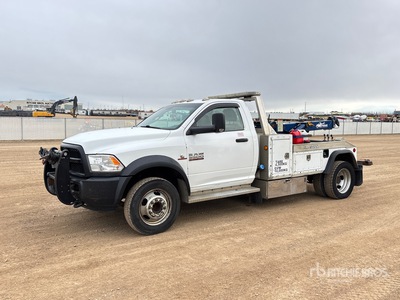 .
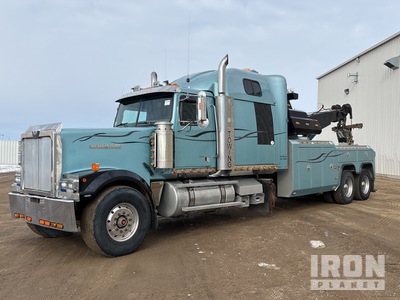
County Of Grande Prairie No. 1, Canadá
356,134 mi
Cierre próximo: mar 24 de nov
 .
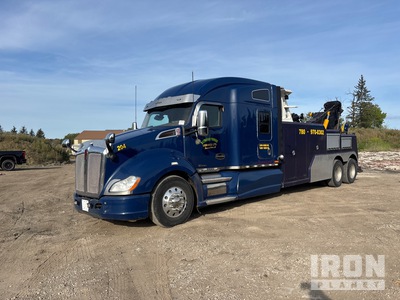
Saskatoon, Canadá
533,046 mi
$195,000CADo haz una oferta
 .
Sherwood Park, Canadá
537,752 mi
$325,000CADo haz una oferta
 .
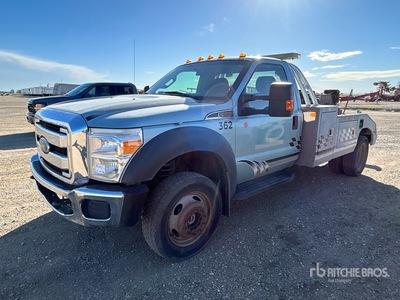
Laval, Canadá
100,251 mi
$179,000CADo haz una oferta
 .
Rouleau, Canadá
229,930 mi
Cierre próximo: vie 27 de nov
 .
Mississauga, Canadá
145,027 mi
$95,000CADo haz una oferta
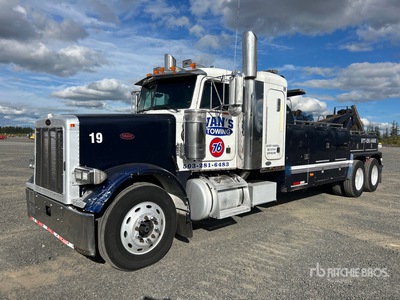
Charlotte, NC
Cierre próximo: jue 17 de dic
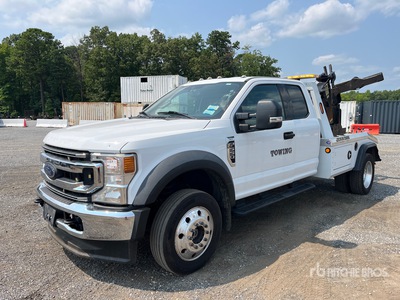

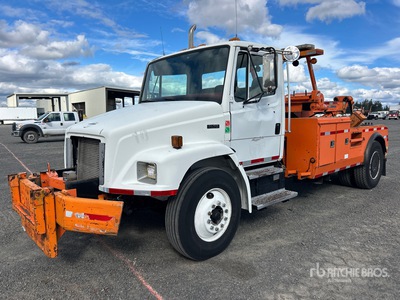
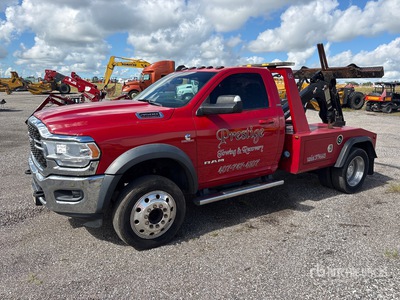
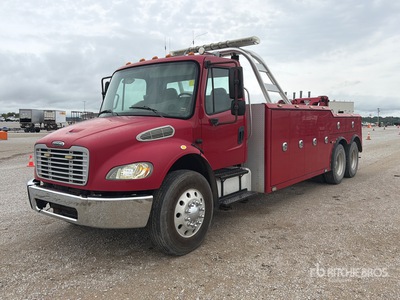
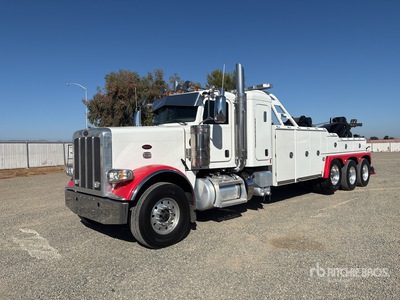
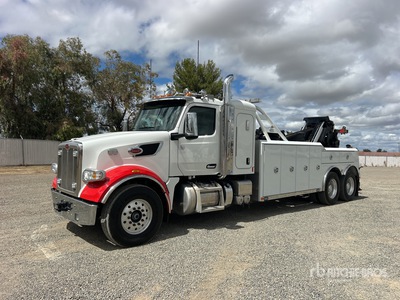
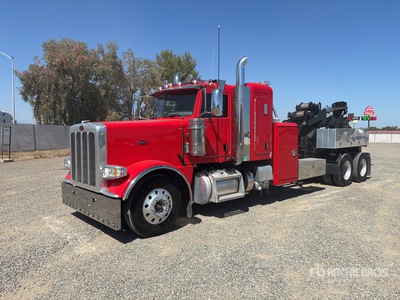


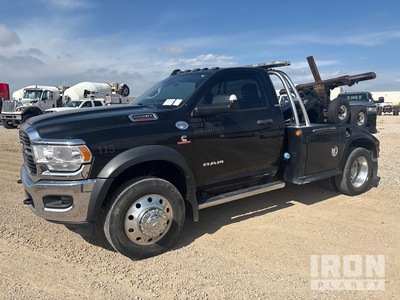
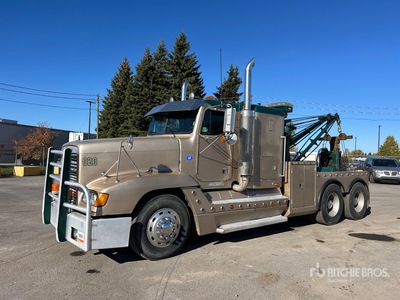
What's the difference between a wrecker and a tow truck?
A wrecker lifts and tows by the vehicle's axle using a wheel-lift or underlift, often paired with a boom; a flatbed/rollback carrier loads the entire vehicle onto a deck instead. If you need to move a wrecked, disabled, or illegally parked vehicle fast without driving it onto a ramp, a wrecker is the faster hookup.
What size wrecker do I need?
Match the wrecker's duty class to the heaviest vehicle you recover regularly, not your average call.
- Light & medium wreckers: underlift/L-arm ratings typically in the 4,000–8,000 lb range — suited to urban tows, impounds, and tight retrieves where quick hook-and-go matters most.
- Heavy wreckers & rotators: rotator tonnage in 35-, 50-, and 60-ton classes, multiple winches, and outrigger spread for tractor-trailers, buses, and off-road recoveries.
What specs matter most on a used wrecker?
Underlift and boom capacity decide what you can safely recover; chassis and hydraulics decide how reliably you can do it.
- Underlift & boom: rated capacity, telescoping reach, and tilt function — check pin/bushing wear and lock valve condition on a used unit.
- Rotator tonnage & outriggers (heavy class): 360° rotation capacity and outrigger spread determine how a unit handles off-angle or highway recoveries.
- Winches: pull rating and count — heavy rotators often run two or more.
- Chassis: GVWR/axle rating matched to the work, air brake system condition on heavy units, and rear suspension spec built for recovery loads rather than hauling.
What should I inspect before bidding on a used wrecker?
Most wrecker problems show up in the lifting gear and hydraulics before the chassis.
- Underlift & boom: pin/bushing wear, telescoping action, tilt function, and rated capacity tags still legible.
- Hydraulics: leaks, hose condition, pump output, and reservoir cleanliness.
- Rigging: dollies, snatch blocks, chains/straps, and spreader bars — confirm ratings and certification dates, since not every "wrecker" listing includes the same gear.
- Electrical: lightbar, work lights, and controller responsiveness.
Every wrecker listed here includes usage hours, location, and equipment history, and many have IronClad Assurance inspection reports available so you can compare underlift, boom, and rotator specs across listings before you bid. Looking for a flatbed instead? See our rollback & carrier listings, or browse the full tow truck & wrecker category for every recovery vehicle type.